 ALEEF
 Tips
Your dog doesn't look guilty: it's afraid of you
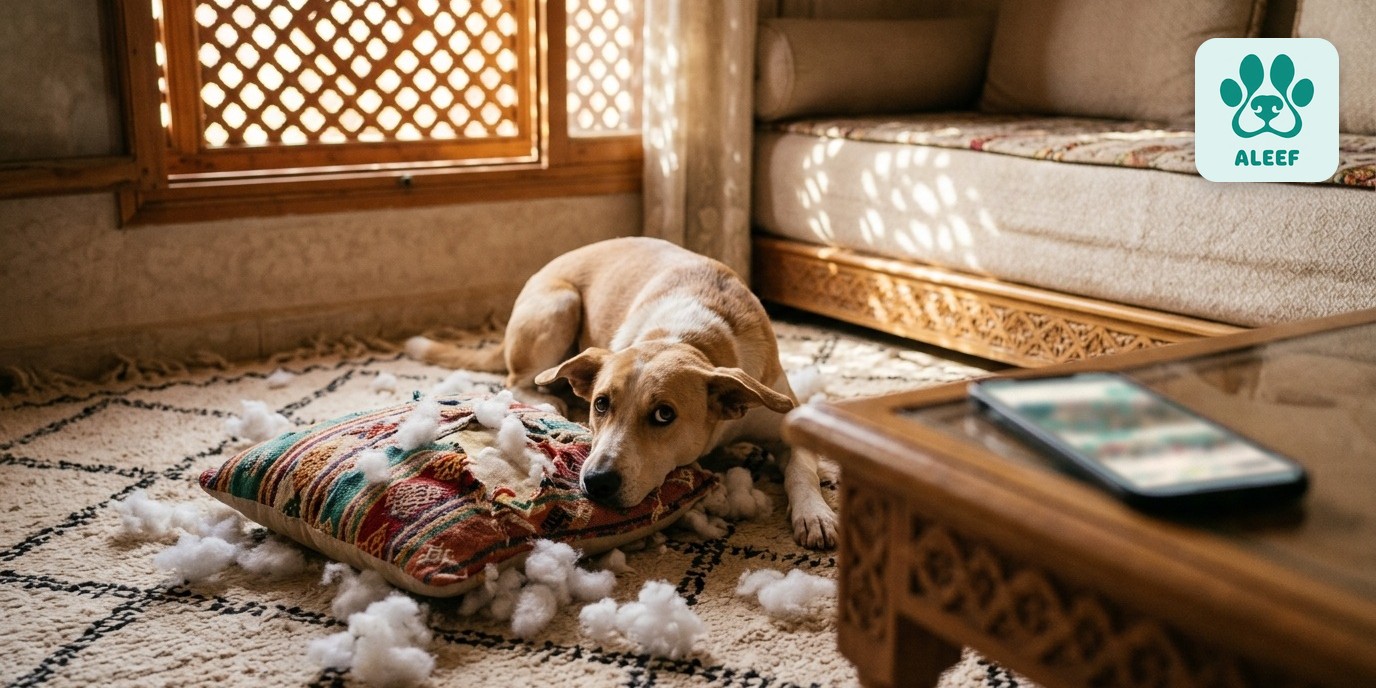
The shredded cushion, the flattened ears, the sideways glance: you would swear your dog knows it did something wrong. Yet a 2009 experiment shows that this "guilty look" says nothing about the misdeed. Your dog is reacting to you.
The experiment that changed everything
Researcher Alexandra Horowitz (Barnard College, New York) filmed 14 dogs at home. The owner forbade a treat, then left the room. While the owner was away, some dogs were given the treat and others were not. On return, owners were sometimes told the truth and sometimes the opposite.
The result, published in Behavioural Processes: the guilty look was no more frequent in dogs that had eaten. It appeared mainly when the owner scolded. And the strongest guilty looks came from innocent dogs… scolded anyway.
What is your dog really feeling?
Ears back, tail low, eyes averted, lip licking, body made small: these are appeasement signals. Your dog reads your posture and tone of voice and tries to defuse the tension. In 2015, a University of Cambridge team confirmed that without a scolding owner, neither the dog's action nor the "evidence" left behind triggered the look.
Why scolding afterwards doesn't work
A 1960s study, cited by Horowitz, found that dogs reprimanded just 15 seconds after a forbidden behaviour kept doing it, while also showing signs of fear. Scolded when you come home, your dog links the punishment to your arrival, not to the cushion. Above all, it may become anxious whenever the door opens.
What to do instead
Prevent rather than punish: put temptations away and keep your dog busy before you leave (chew toy, walk). If you catch it in the act, interrupt calmly and offer something else. Reward good behaviour: that is what dogs learn best. If destruction happens every time you leave, it may signal separation anxiety: talk to a vet or a dog trainer.
Frequently asked questions
Does my dog know it did something wrong?
Studies have not shown that the look is linked to a past misdeed. Dogs mostly react to your signals in the moment.
Should I ignore the guilty look?
No need to scold: your dog is already telling you "calm down". Stay neutral, clean up and work on prevention.
My dog destroys things when I leave: what should I do?
Note when it happens and since when, then see a vet to rule out a medical cause and a trainer for a suitable plan.
Read more: the easiest dog breeds to live with in Morocco and indoor activities to keep your dog busy.
A dog trainer near you
Trainers, behaviourists and vets: find them by city in the ALEEF directory, and share your tips with the community.
Find a dog trainerDiscover ALEEFGeneral information that does not replace the advice of a vet or dog trainer.
Sources: Horowitz A., "Disambiguating the 'guilty look'", Behavioural Processes 81, 2009; Ostojić L., Tkalčić M., Clayton N., Behavioural Processes 111, 2015; Hecht J., Miklósi Á., Gácsi M., Applied Animal Behaviour Science 139, 2012; summaries by Scientific American and Psychology Today.
Find a pro near you
Vets, groomers, pet sitters: browse the ALEEF directory to find a trusted professional in your city.
Browse the directoryRead next

Heat, flats, health: which dog breeds live best in Morocco, and which need precautions? The ranking, backed by figures.
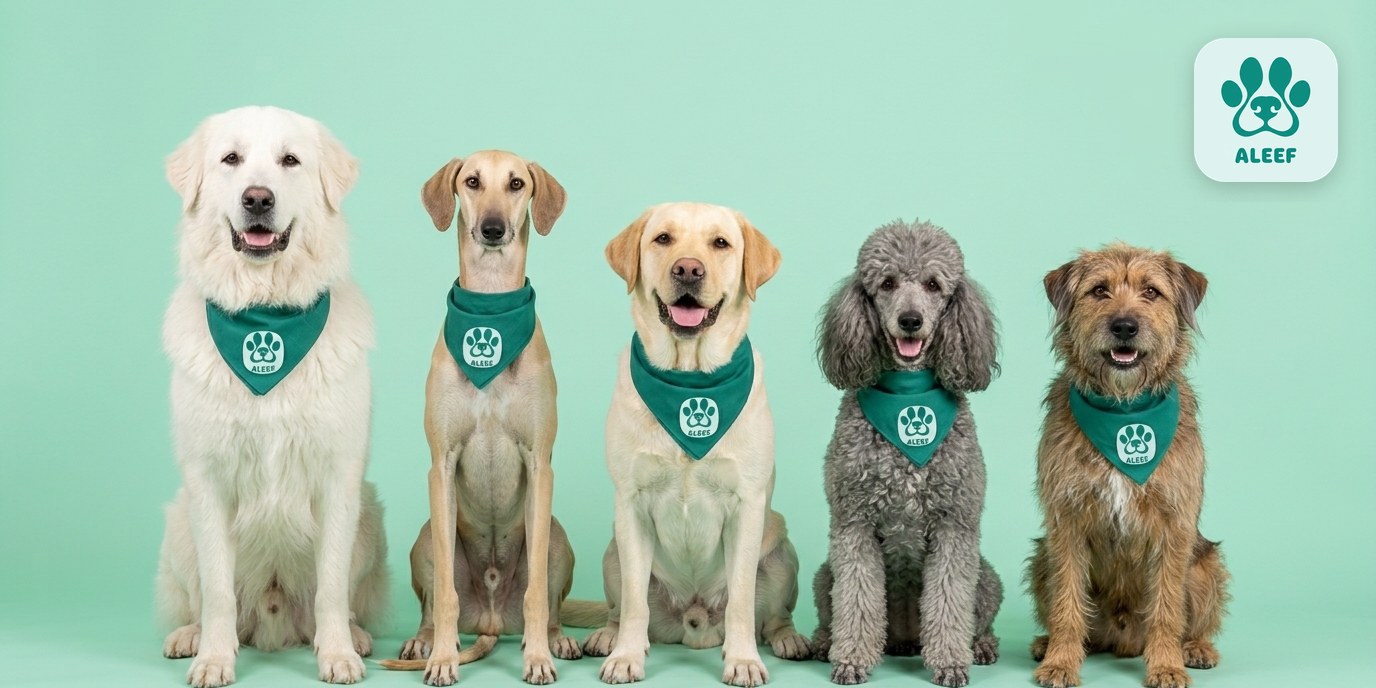
Aidi, Sloughi, labrador, poodle or beldi dog? Answer 5 questions and discover the dog that truly fits your lifestyle in Morocco.
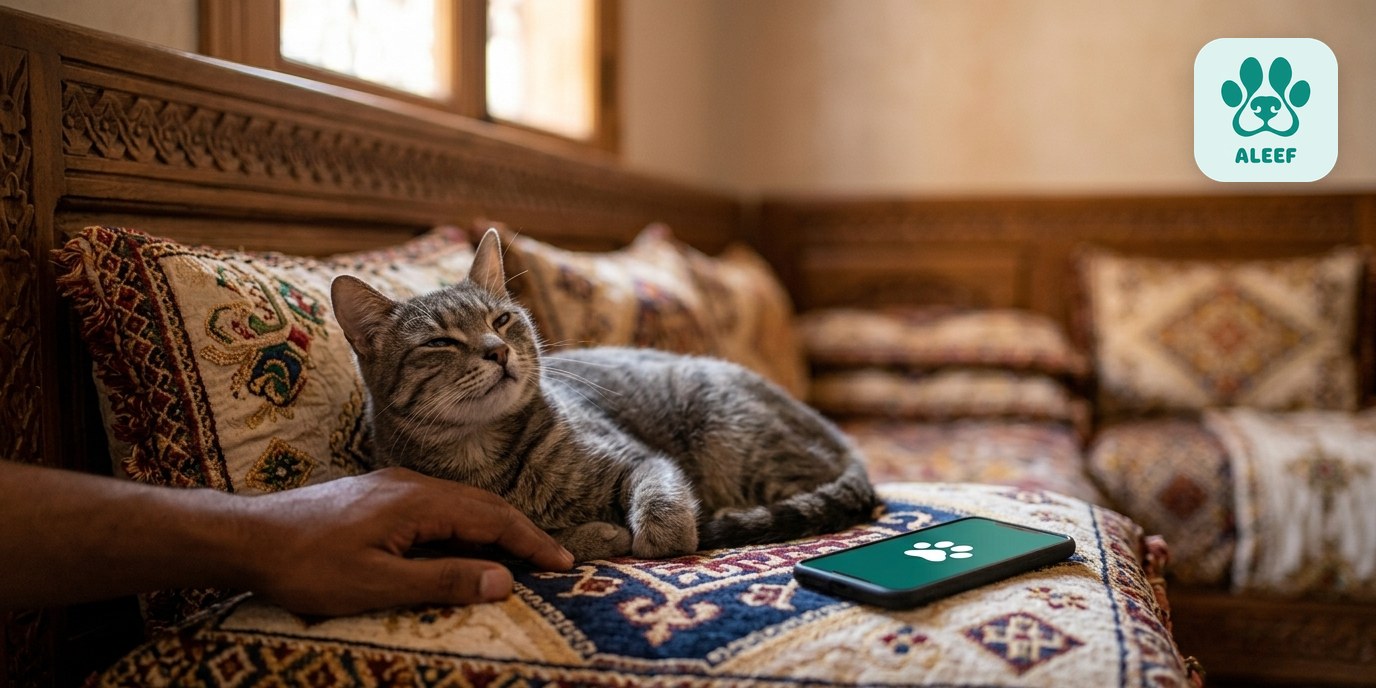
Slow blinks, head bumps, belly up… 10 signs, one of them backed by science, that your cat loves you. Number 4 surprises everyone.